

See what we are working on
Projects
We have many exciting projects here at Mære, all with a common goal of reducing greenhouse gas emissions from agriculture.

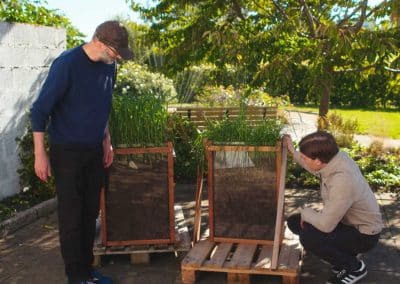
One of the missions of the Swedish Center for Climate and Energy is to contribute to increased knowledge about the storage of carbon in soil. Together with the others, we have...
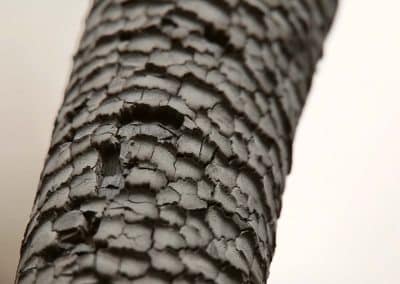
The seminar on biocoal that was held at Mære on 7 March 2022 focused on opportunities for business development related to ...
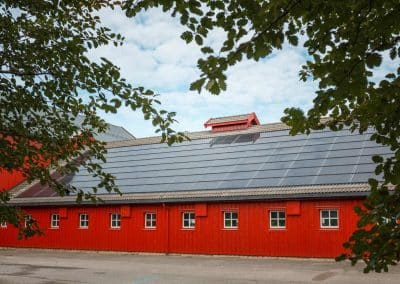
At the dairy cow barn on Mære, we have a solar cell system of 192 m². Electricity produced is delivered to the greenhouse and provides light for the Mære tomatoes
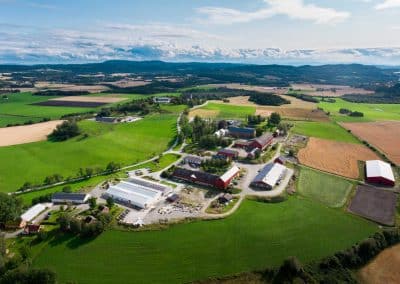
Our ambition is to approach zero emissions from our farm operations. Through close collaboration with various knowledge communities, in the coming years we will work towards...
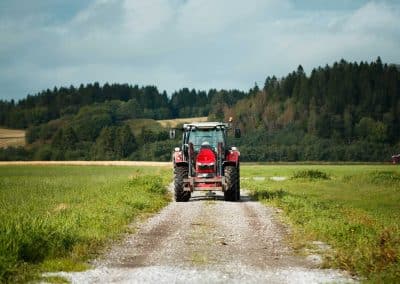
For a year, farmers at Innherred have run their tractors on renewable diesel. They have participated in a field test of renewable diesel. The farmers' ...
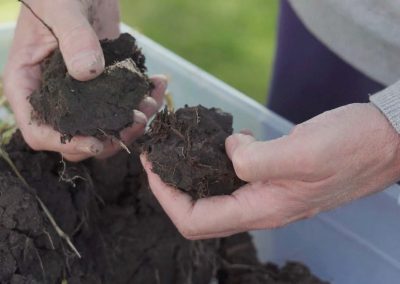
At Mære, we have established a Rotlab, which will be an arena for the dissemination of knowledge about soil and soil structure, carbon storage in soil and how...
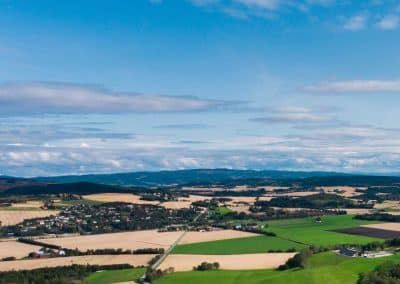
On behalf of Mære agricultural school, NIBIO has prepared a report on which measures may be relevant to implement to reduce emissions of ...
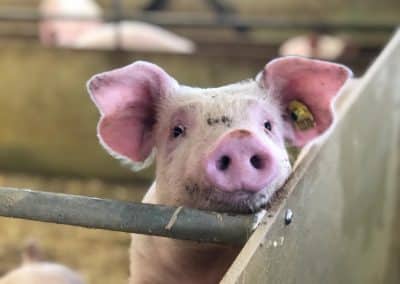
We get a happier pig if we add root material such as hay, straw, peat or pellets. Ellen Marie Rosvold is a researcher at Nord ...
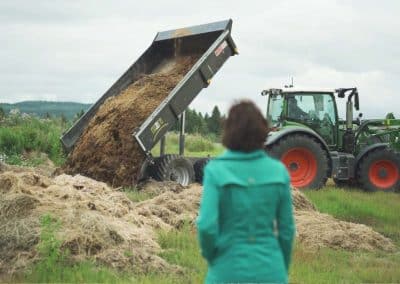
How can we handle old silos, tallow and horse dung, grass residues, animal manure and tomato residues from the greenhouse in the most sustainable way possible...
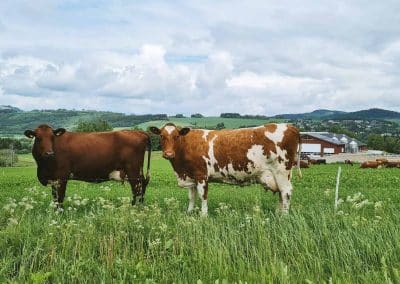
The breeding company Geno is breeding a dairy cow with less methane emissions. "The climate contribution could perhaps be as much as 10% lower emissions from...
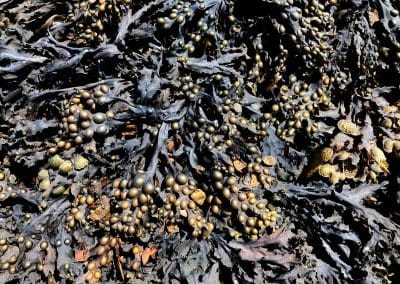
Can seaweed and kelp in feed for ruminants both reduce methane gas emissions, and at the same time be a good substitute for soy flour? It has Prabhat Khanal,…
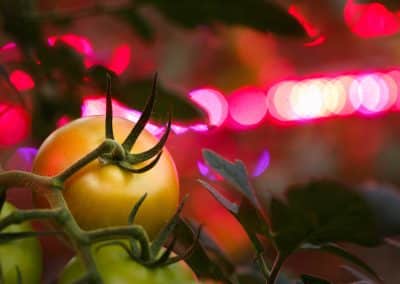
With LED lights in red and blue colors placed between the tomato plants in our greenhouse, the yield of tomatoes increases. Primarily because the tomatoes become...