by Tove Hatling Jystad | Jan 2, 2025 | Biochar, Carbon storage, The zero emission farm
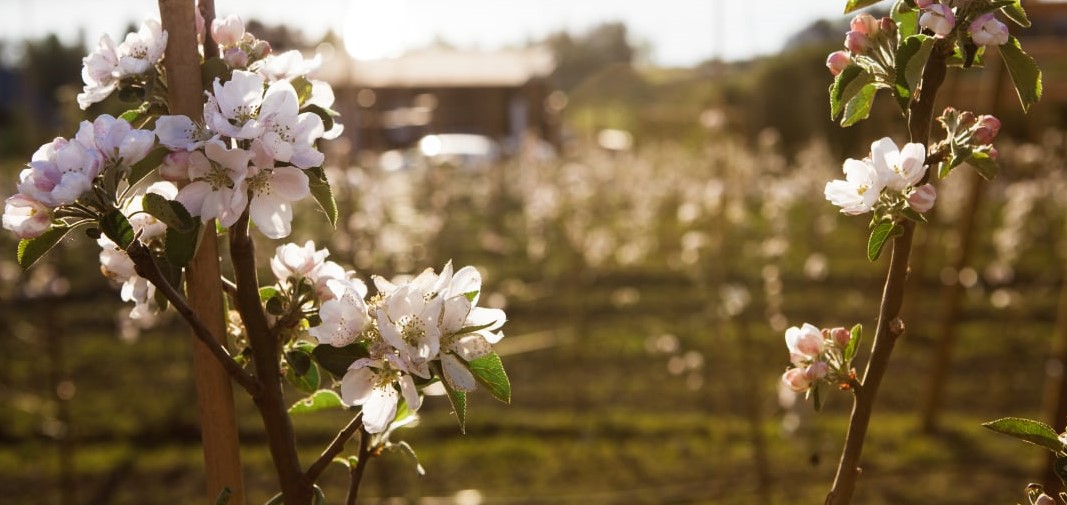
Mære landbruksskole har etablert en moderne frukt- og bærhage for å kunne demonstrere hvordan storskala kommersiell produksjon og småskala hobbyproduksjon ser ut i virkeligheten. Dette skal kunne gi studenter praktisk erfaring med ulike produksjonsmetoder og styrke...
by Gunnar Larsen | Dec 19, 2024 | Biochar, Front page, Carbon storage
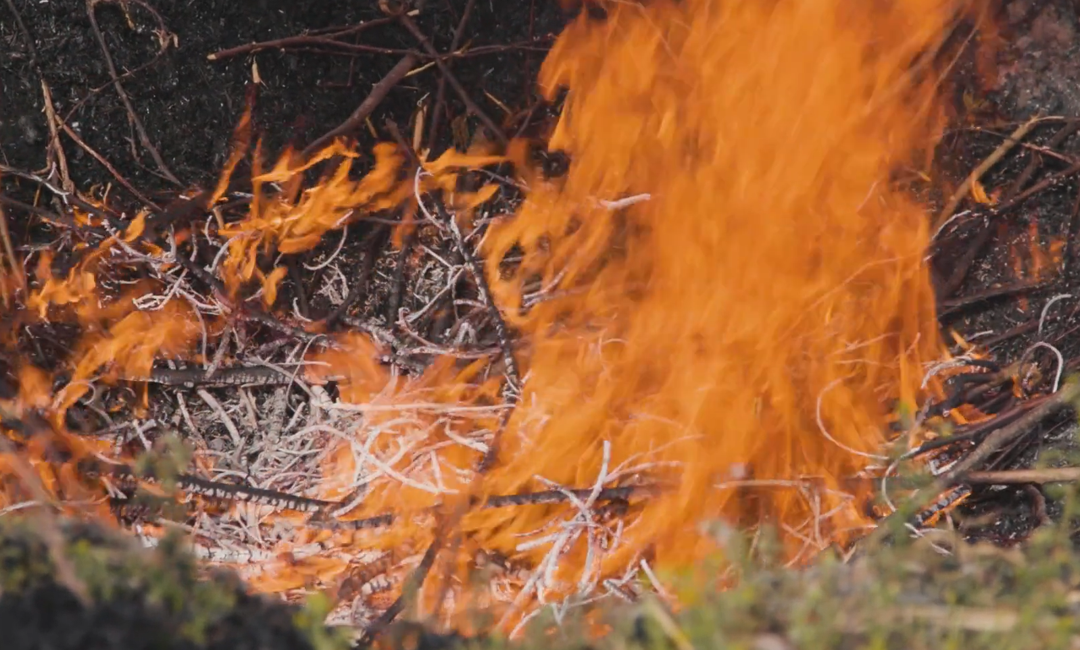
I prosjektet RESTORE har SINTEF regnet på klimaeffekter ved ulik behandling av reststrømmer fra et gårdsbruk. Det er sett på ulike restmaterialer og om de kan legges i kompost, forbrennes eller brukes i biokullproduksjon. Det er laget en regnearkmodell som gir noen...
by Gunnar Larsen | Dec 19, 2024 | Carbon storage, Composting
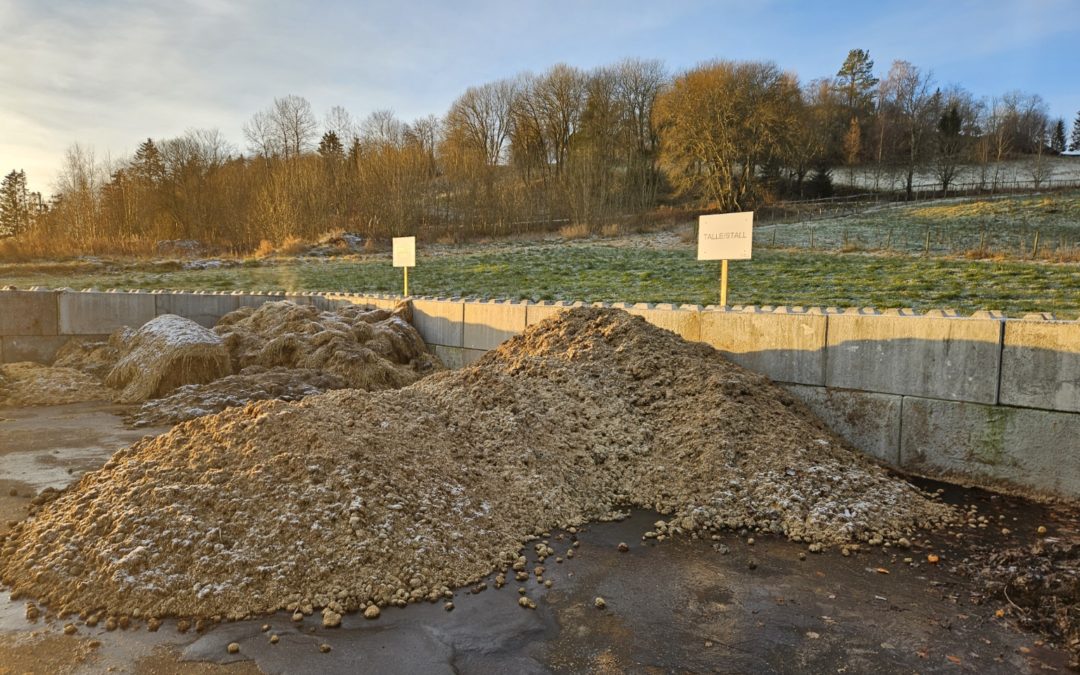
I prosjektet RESTORE har SINTEF regnet på klimaeffekter ved ulik behandling av reststrømmer fra et gårdsbruk. Det er sett på ulike restmaterialer og om de kan legges i kompost, forbrennes eller brukes i biokullproduksjon. Det er laget en regnearkmodell som gir noen...
by Berit Fix | June 17, 2024 | Biogas, Biochar, Energy measures, R&D, Green plants, Domestic animals, Carbon storage, The climate game, Composting, Methane reduction, Natural diversity, The zero emission farm
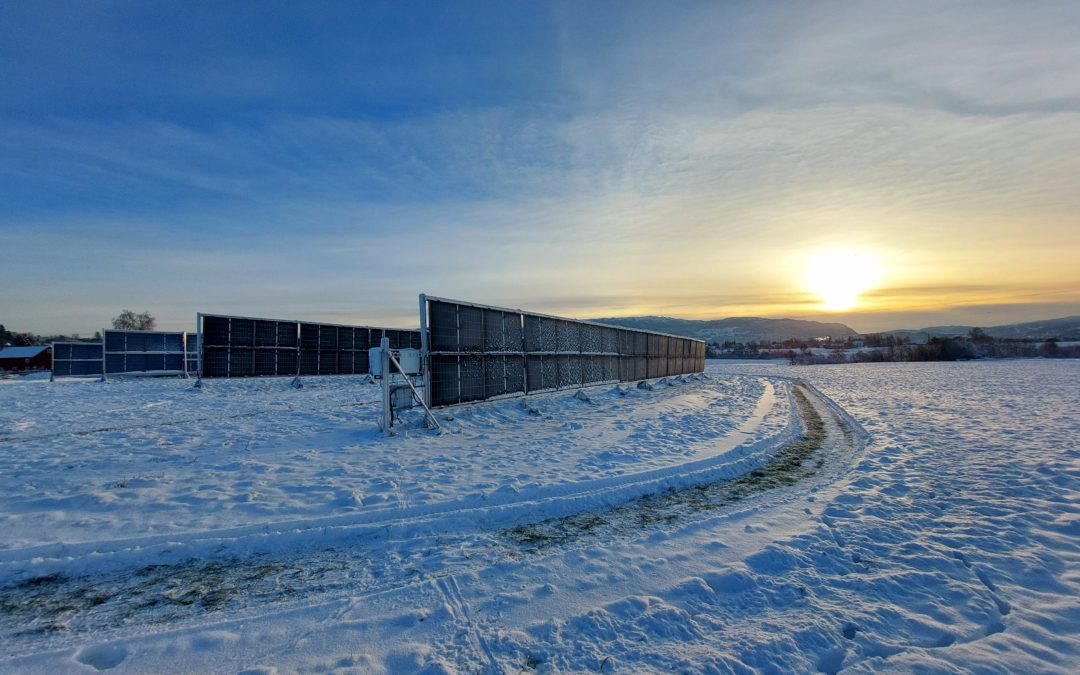
The zero emission farm is our vision! That is why we have established Landbrukets climate and energy center as an arena for research and development in agriculture. From 1 January 2023, the center has been expanded to apply to both natural farming schools, Mære landbruksskole and Skjetlein upper secondary...
by Tove Hatling Jystad | Mar 19, 2024 | Biochar, Front page, Green plants, Carbon storage, The zero emission farm
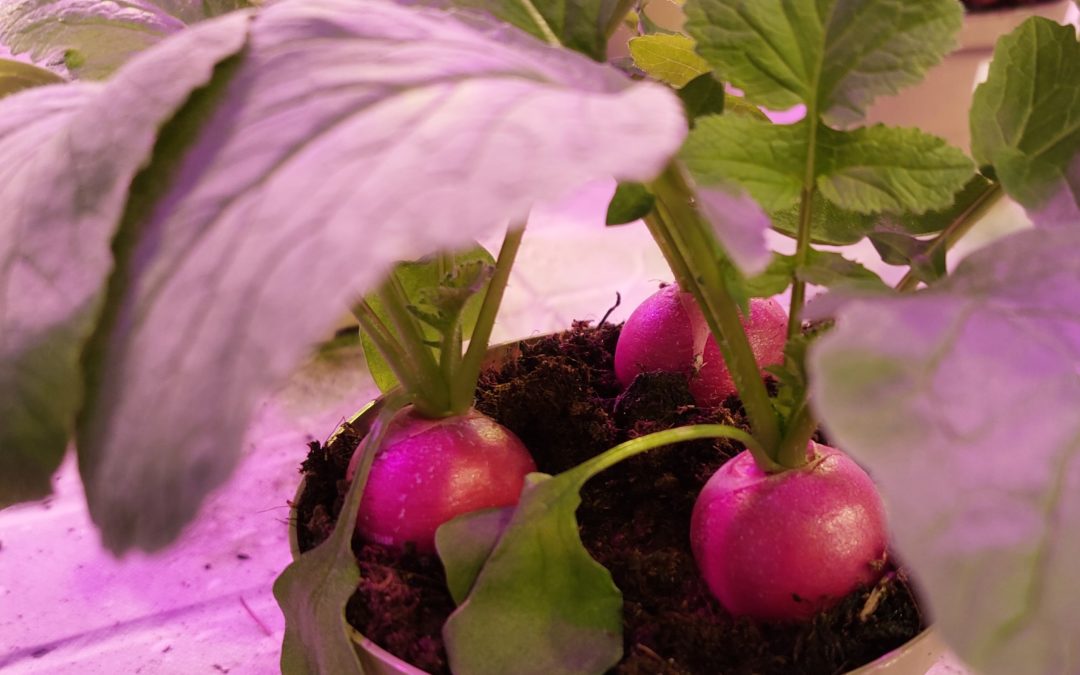
In the greenhouse at Mære agricultural school, very special radishes and spinach are harvested. The reason why the radishes and spinach are special is because the soil in which they have grown has been supplemented with different types and amounts of biochar. Here we have made biochar from seaweed,...
by Tove Hatling Jystad | Mar 25, 2023 | Biochar, Author bio, Carbon storage
Some of the country's leading researchers on soil carbon, soil microbes and biochar were presenters at the webinar The secrets of soil carbon - about carbon sequestration, biochar and R&D on 3 June 2020. We wanted to show what we know and what we don't know about how we can sequester more.. .