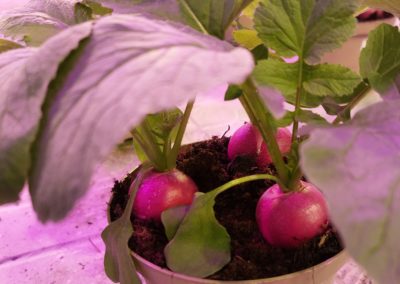
Biochar is charcoal that is produced by heating biomass such as wood chips and straw at high heat and limited access to oxygen. The process is called pyrolysis. By adding biochar to the soil, the soil's properties are improved in many areas.
Biochar has the following positive effects on the soil:
• Increases the total content of carbon in the soil
• Increases the water storage capacity of the soil
• Increases the content of biomass in the soil
• Raises the pH in the soil
• Reduces emissions of greenhouse gases from the soil
Biochar is very difficult to decompose in the soil. If a certain amount has been added, this will remain constant in the soil for a long time. The organic material that forms in the soil breaks down later. Biochar therefore contributes to increasing the total content of organic material, something we can also call carbon sequestration in the soil.
The combustion of biochar takes place in a biochar reactor. The process generates heat and emissions of various types of combustion gases. It is important to take care of the heat energy that is produced, and to have control over the combustion gases so that there is no emission of gases that are harmful to the environment.
Biochar mixed with compost provides a good soil conditioner. This can e.g. be a good start to revitalizing the soil.