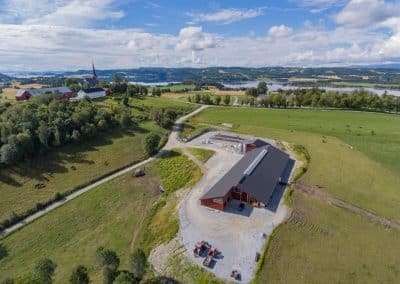
Masterstudenten Svein Wara har undersøkt effekten av biokull i melkefôring til kalver i sin masteroppgave som ble levert våren 2024. Svein har vært student ved Nord universitet i Steinkjer, og har jobbet med biokull og kalv i sitt studieløp. Forsøket ble gjennomført i to besetninger, der 24 av kalvene stod i melkefjøset på Mære landbruksskole. Selv om det var få totale helsehendelser, er det sterke indikasjoner på at biokull kan forbedre kalvenes helse.
- To besetninger: En pilotbesetning med 5 kalver og en hovedbesetning med 24 kalver (14 med biokull og 10 uten).
- Fôring: Alle kalvene fikk fri tilgang på grovfôr, kraftfôr og vann, med forskjellen at noen fikk biokull i melkefôringen.
- Helse: Kalver med biokull hadde færre helseforekomster og færre viste mangel på IGg (immunstoffer).
- Tilvekst og mineralstatus: Biokull påvirket ikke tilveksten eller mineralstatusen i blodet.
- Blodprøver: Viste at majoriteten av kalvene hadde underdekning av jern, selen og vitamin E.
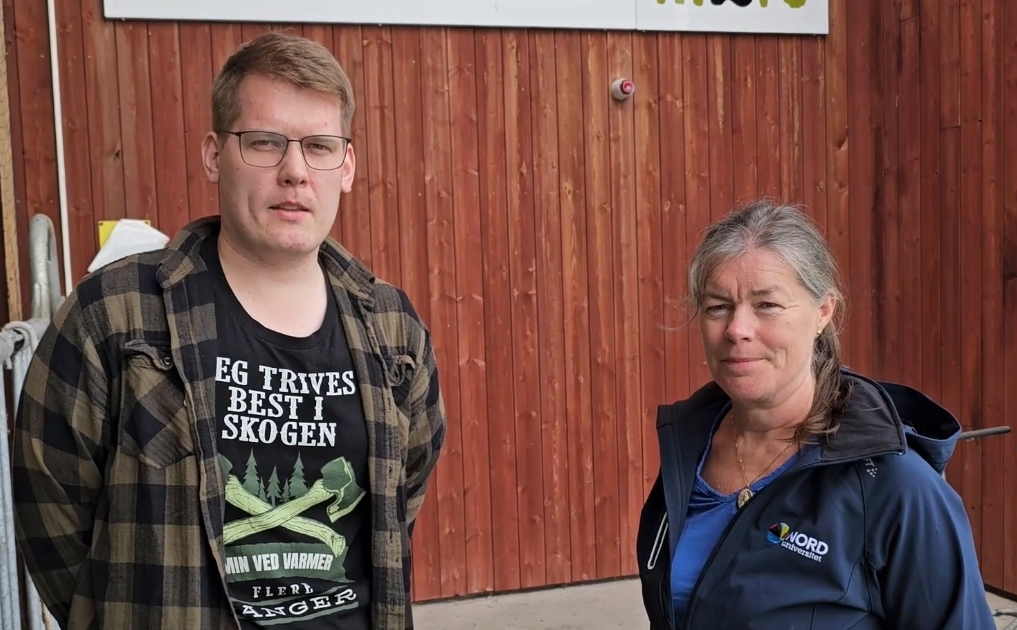
Masterstudent Svein Wara sammen med universitslektor ved Nord universitet Hege Overrein.
Ta en titt i Svein sin masteroppgave her.
Masteroppgaven er interessant for oss på Nullutslippsgården. Biokull kan bidra til bedre kalvehelse som i seg selv bidrar til reduserte klimautslipp. I tillegg vil biokullet etterhvert komme til jorda vår gjennom gjødsla fra kalvene. Biokull brytes lite ned i jord slik at karbon i biokullet lagres lenge. 1 kg biokull binder 3 kg CO2-ekvivalenter, og er et godt tiltak for å lagre karbon.
Masteroppgaven har gitt oss bedre innsikt også i forbindelse med forskningsprosjektet RESTORE. I RESTORE ser vi på hvordan vi kan utnytte biokull, biogass, kompost som teknologier for en mer bærekraftig håndtering. Vi ser også på hvordan vi kan bruke biokull for å redusere utslipp av klimagasser eller næringsstoffer. RESTORE er et samarbeid mellom Mære, SINTEF, NGI og NIBIO.